Your British Shorthair might look like a plush toy come to life, but keeping them happy and healthy takes more than admiring their adorableness. These lovable companions are generally robust, though like any pet they have specific health needs. Let's look at the essentials for your British Shorthair's well-being.
Regular Vet Visits: The Cornerstone of Good Health
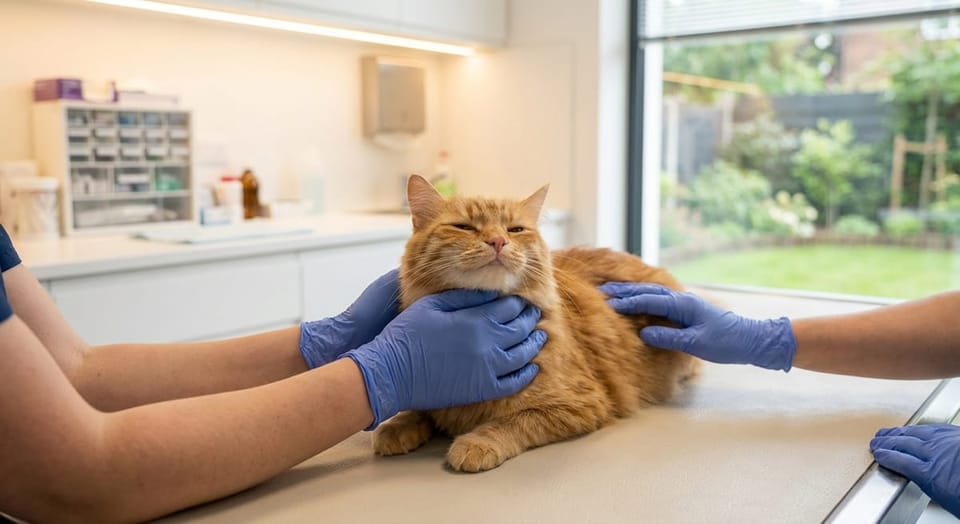
Annual check-ups with the vet aren't just for shots and weigh-ins; they're crucial for catching potential health issues early. Expect vaccinations first, keeping your cat up-to-date on core vaccines like rabies and feline distemper. Dental checks matter too, even if your cat's fangs make them look ferocious, and regular cleanings or dental treats can help. Your vet will also monitor weight, since British Shorthairs are prone to obesity, and may offer tips for managing their diet and exercise.
Pro Tip:
Make vet visits less stressful by using a comfortable carrier and rewarding your cat with treats afterward. Bribery works wonders.
Common Health Issues in British Shorthairs
While British Shorthairs are generally healthy, they can be prone to certain conditions:
| Condition | Description | Prevention / Management |
|---|---|---|
| HCM | Heart condition, relatively common in the breed | Regular vet check-ups and early detection |
| Obesity | Stocky build and laid-back nature increase risk | Portion control and regular playtime |
| Dental Problems | Plaque and tartar can lead to gum disease | Brushing teeth or dental chews |
| PKD | Less common but worth monitoring | Ensure breeder has tested; regular vet screening |
Signs Your Cat Needs a Vet
Cats are masters of hiding discomfort, so it's up to you to notice when something's off. Keep an eye out for:
- Changes in eating or drinking habits.
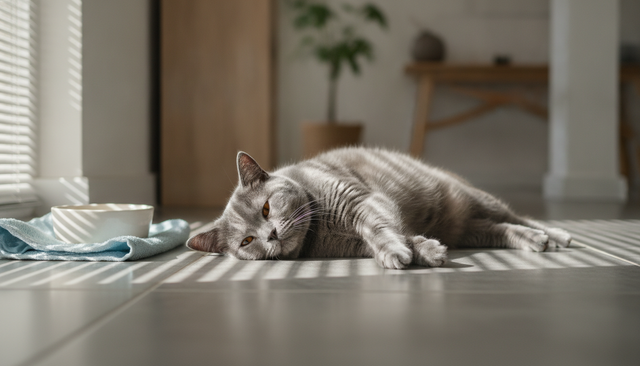
- Lethargy or unusual hiding.
- Vomiting or diarrhea.
- Difficulty breathing or excessive coughing.
- Lumps, bumps, or changes in their coat condition.
If you're unsure, it's always better to err on the side of caution and consult your vet.
Keeping Them Active to Avoid Obesity
British Shorthairs are more couch potatoes than marathon runners, but a little encouragement goes a long way. Schedule short daily play sessions with wand toys or laser pointers, and make mealtime a fun challenge with puzzle feeders. Give them somewhere to climb as well. Cat trees or shelves can motivate even the laziest lounger to stretch.
Fun Fact:
British Shorthairs may look lazy, but they're secretly strategic. They'll conserve energy until it's time to pounce on a toy. Think of them as professional sprinters rather than marathoners.
Nutrition: The Foundation of Health
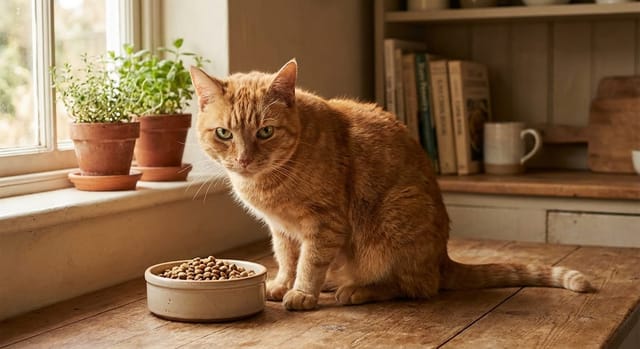
As discussed in our feeding post, a balanced diet tailored to their needs is essential. Consult your vet for recommendations on high-quality cat food and portion sizes based on your cat's age, weight, and activity level.
We feed our cats
In our house it's Royal Canin wet food, Royal Canin dry food, and Vitakraft snacks.
Mental Health Matters
A healthy British Shorthair needs mental stimulation as much as physical fitness. Rotate toys to keep playtime fresh, provide scratching posts and catnip for enrichment, and spend quality time bonding with them, even if it's just lounging together on the sofa.
Wrapping It Up
Stay proactive and attentive to their needs, and you'll have a happy, purring companion for years to come. There will be fur on the furniture. There's always fur on the furniture.
In our next post, we'll dive into training tips for your British Shorthair. Yes, they can learn, as long as you're prepared for a little feline stubbornness!
💡 Some links are affiliate links — the cat gets treats, you pay nothing extra.