> Disclaimer: This article is for informational purposes only and is not a substitute for professional veterinary advice. Always consult your veterinarian for health concerns about your cat.
You're half asleep, stumbling toward the kitchen, when—SQUISH. That unmistakable warm, wet feeling under your bare foot. Every cat parent knows this moment.
If you've landed here wondering "why is my cat throwing up?", you're not alone. Almost all cats vomit occasionally, and while it's usually nothing serious, sometimes it signals something that needs attention.
Here's the good news: most cat vomiting has a simple explanation and resolves on its own. Here's the important part: knowing when it's just a hairball and when it's time to call the vet could save your cat's life.
The Quick Answer
Occasional vomiting (less than once a month) in an otherwise healthy cat is usually normal. Common causes include hairballs, eating too fast, or dietary changes. However, if your cat vomits frequently, shows other symptoms like lethargy or loss of appetite, or produces blood in their vomit, seek veterinary care immediately.
7 Common Causes of Cat Vomiting
1. Hairballs (The Usual Suspect)
When cats groom themselves—which they do obsessively—they swallow loose fur. Most of this passes through their digestive system normally. But sometimes it clumps together in the stomach, becoming irritating enough that your cat vomits it up to prevent a blockage.
What hairball vomit looks like: A tubular, wet mass of fur, often with some food or bile mixed in.
When to worry: If your cat is retching repeatedly but can't bring up a hairball, this could indicate a dangerous intestinal blockage. Seek veterinary attention promptly.
2. Eating Too Fast
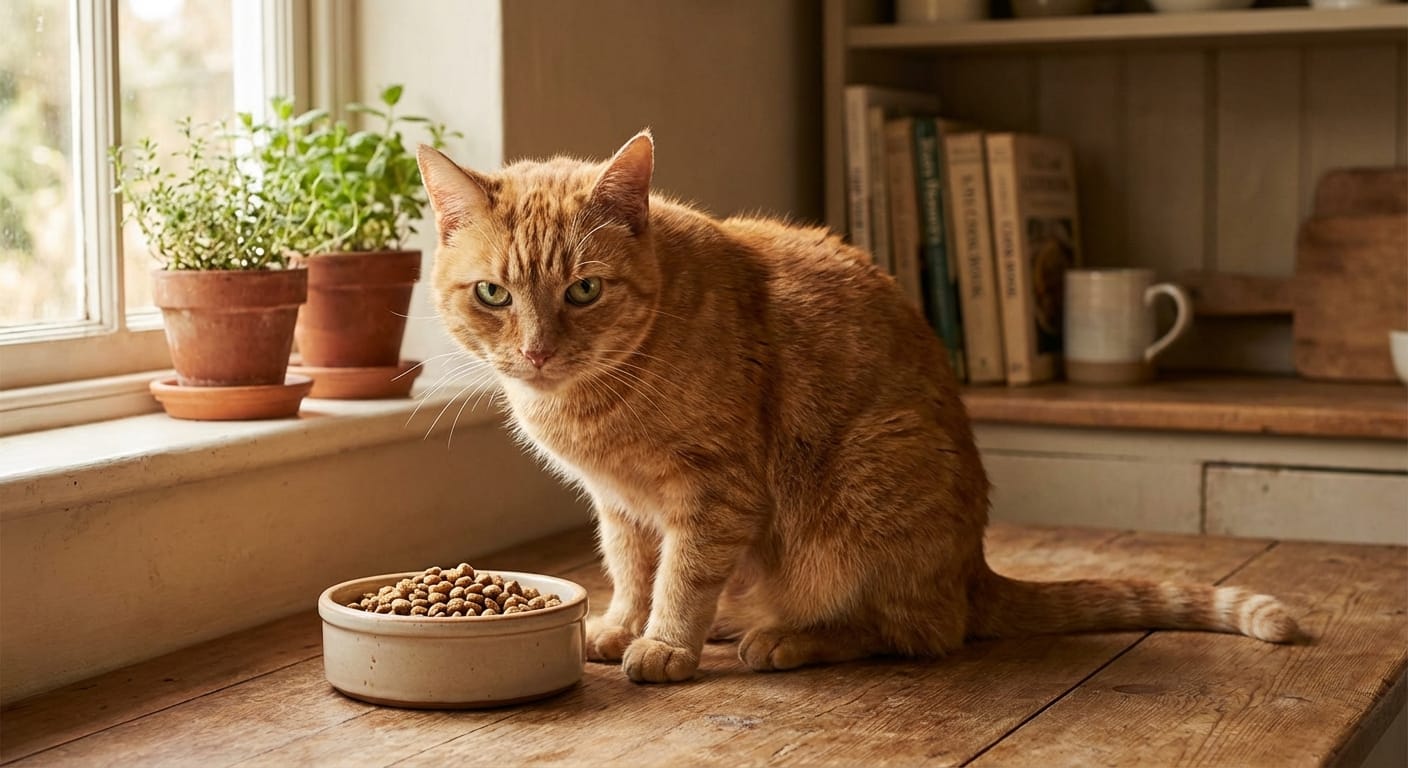
Some cats inhale their food like they're competing in an eating contest. When they eat too quickly, they swallow air along with their kibble, and their stomach can't handle the rapid influx. The result? Everything comes back up, often looking barely digested.
The fix: Try a slow-feeder bowl, puzzle feeder, or simply divide meals into smaller, more frequent portions.
3. Dietary Changes or Sensitivities
Switched to a new food recently? Your cat's stomach might be protesting. Cats have sensitive digestive systems, and sudden diet changes can trigger vomiting.
What to do: When transitioning foods, mix the new food with the old gradually over 7-10 days. Start with 25% new food, then 50%, then 75%, before fully switching.
Some cats also develop food sensitivities or allergies over time—even to foods they've eaten for years.
4. Eating Something They Shouldn't
Cats are curious creatures, and sometimes that curiosity leads them to ingest things that don't belong in their stomachs:
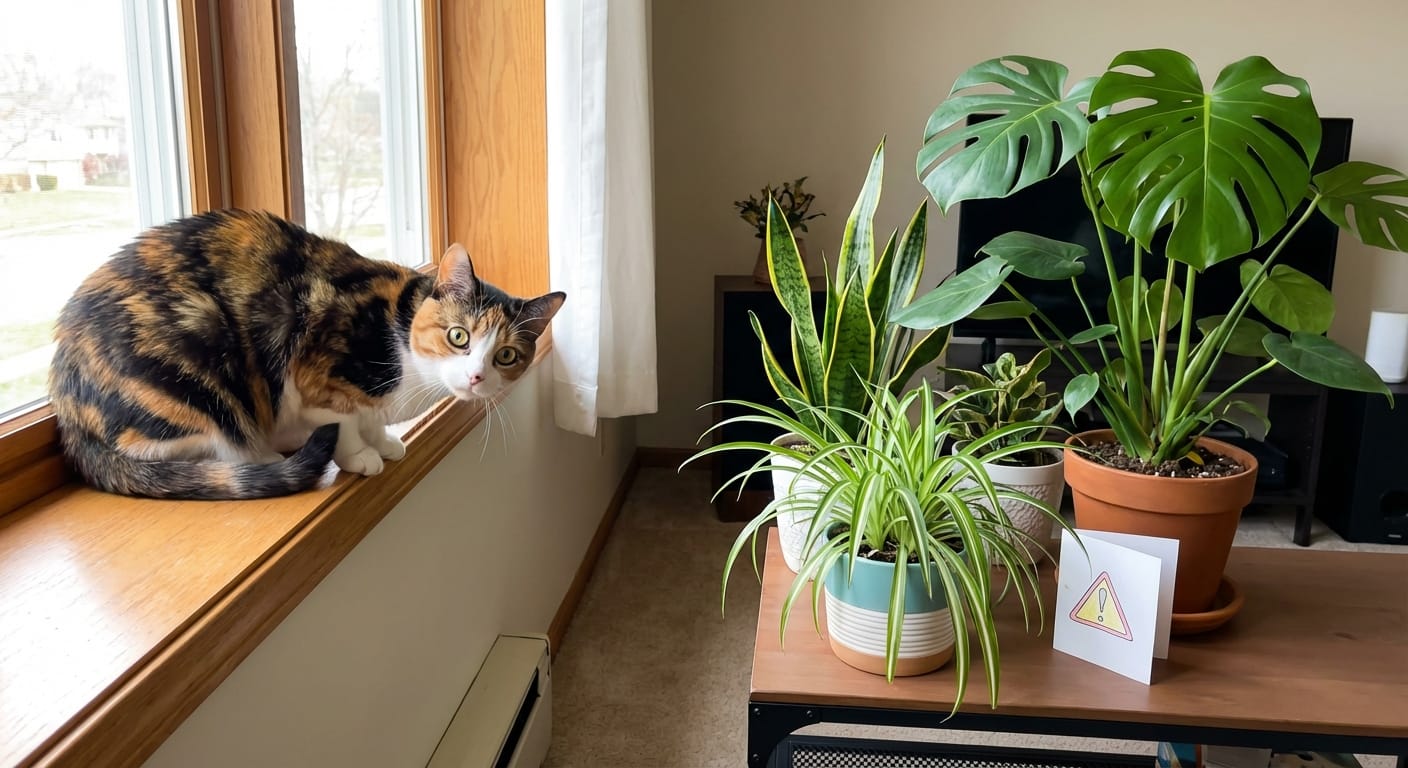
- Houseplants (some are toxic—see our toxic plants guide)
- String, yarn, or rubber bands
- Small toys or household objects
- Spoiled food from the garbage
Warning: If you suspect your cat has eaten something toxic or a foreign object, contact your vet or local emergency animal hospital immediately. If you suspect poisoning, also reach out to your regional animal poison control service if available.
5. Parasites
Internal parasites like roundworms can cause vomiting, especially in kittens or cats that go outdoors. You might even see worms in the vomit—which is alarming but at least provides a clear diagnosis.
What to do: Regular deworming and fecal exams are part of good preventive care. Your vet can recommend an appropriate parasite prevention schedule.
6. Underlying Health Conditions
Sometimes vomiting is a symptom of something more serious:
- Kidney disease – Common in older cats
- Hyperthyroidism – Overactive thyroid, also common in seniors
- Diabetes – Especially if accompanied by increased thirst and urination
- Inflammatory bowel disease (IBD) – Chronic inflammation of the digestive tract
- Pancreatitis – Inflammation of the pancreas
These conditions typically cause chronic or recurring vomiting alongside other symptoms. If your cat is vomiting regularly, a vet visit is essential.
7. Stress and Anxiety
Yes, cats can literally worry themselves sick. Changes in routine, new pets, moving homes, or even rearranging furniture can trigger stress-related vomiting in sensitive cats.
Signs of stress: Hiding, changes in appetite, over-grooming, or behavior changes alongside the vomiting.
Cat Vomit Color Chart: What Different Colors Mean
The color of your cat's vomit can provide important clues about what's happening. Here's your quick reference:
| Color | What It Usually Means | Concern Level |
|---|---|---|
| Yellow/Bile | Empty stomach; cat is hungry | Low (unless frequent) |
| White Foam | Empty stomach or stomach acid | Low to moderate |
| Clear Liquid | Regurgitated water or saliva | Low (unless frequent) |
| Green | Bile from small intestine or plant material | Moderate |
| Brown | Undigested food or possible blood | Moderate to high |
| Red/Bloody | Fresh blood from esophagus or stomach | HIGH - Vet immediately |
| Coffee Grounds | Digested blood (internal bleeding) | HIGH - Vet immediately |
Yellow Vomit (Bile)
Yellow liquid vomit is bile—a digestive fluid produced by the liver and stored in the gallbladder. Cats often vomit bile when their stomach is empty, typically early morning or if they've gone too long between meals.
The fix: If this happens regularly, try feeding smaller meals more frequently, or leave a small amount of dry food out for overnight grazing.
White Foam
White foamy vomit usually indicates an empty stomach or irritation of the stomach lining. It's a mix of stomach acid and saliva. Occasional white foam isn't alarming, but frequent occurrences warrant a vet check, as it can indicate conditions like gastritis or even diabetes.
When Color Signals an Emergency
Any vomit containing blood requires immediate veterinary attention. Fresh red blood may indicate damage to the esophagus or stomach, while dark, coffee-ground-like material suggests internal bleeding that's been partially digested. Both are emergencies.
Vomiting vs. Regurgitation: What's the Difference?
These two look similar but are actually different processes—and knowing the difference helps your vet diagnose the problem faster.
| Vomiting | Regurgitation | |
|---|---|---|
| Effort | Active heaving, abdominal contractions | Passive, effortless expulsion |
| Warning signs | Drooling, lip-licking, restlessness | Usually none |
| Timing | Can happen anytime | Usually right after eating |
| Appearance | Digested, may contain bile | Undigested, tubular shape |
| Sound | Retching, gagging | Quiet |
Regurgitation typically indicates an esophagus problem or eating too fast, while vomiting usually points to a stomach, intestinal, or systemic issue.
When to See the Vet: The Warning Signs
Here's the rule many vets recommend: If you're worried enough to Google it at 2am, it's probably worth a vet visit.
Seek Veterinary Care If Your Cat:
- Vomits more than two to three times in a row
- Can't keep water or food down for 12+ hours
- Shows other symptoms: lethargy, diarrhea, loss of appetite, hiding
- Has blood in their vomit (any amount)
- Is straining to vomit but producing nothing (possible blockage)
- Has a swollen or painful abdomen
- Shows signs of dehydration: sunken eyes, dry gums, skin that doesn't snap back
- Has underlying health conditions (diabetes, kidney disease)
Emergency Situations (Go Now):
- Vomiting blood or coffee-ground material
- Projectile vomiting
- Difficulty breathing alongside vomiting
- Pale or white gums
- Known or suspected ingestion of toxins or foreign objects
- Vomiting with seizures or collapse
How to Help Your Vomiting Cat at Home
For mild, occasional vomiting in an otherwise healthy cat, here's what you can do:
1. Rest the Stomach
Withhold food for 6-12 hours to let the stomach settle. Important: Don't withhold water—dehydration is a bigger risk than an empty stomach. Always provide fresh water.
Note: For kittens, elderly cats, or cats with health conditions, consult your vet before fasting.
2. Reintroduce Food Gradually
After the fasting period, offer small amounts of bland food:
- Boiled, skinless chicken breast (no seasoning)
- Plain white fish like cod
- Commercial "bland diet" cat food
Start with a tablespoon every two to three hours. If they keep it down, gradually return to their normal diet over two to three days.
3. Monitor Closely
Watch for:
- Additional vomiting episodes
- Changes in energy or behavior
- Appetite and water intake
- Litter box output (both urine and stool)
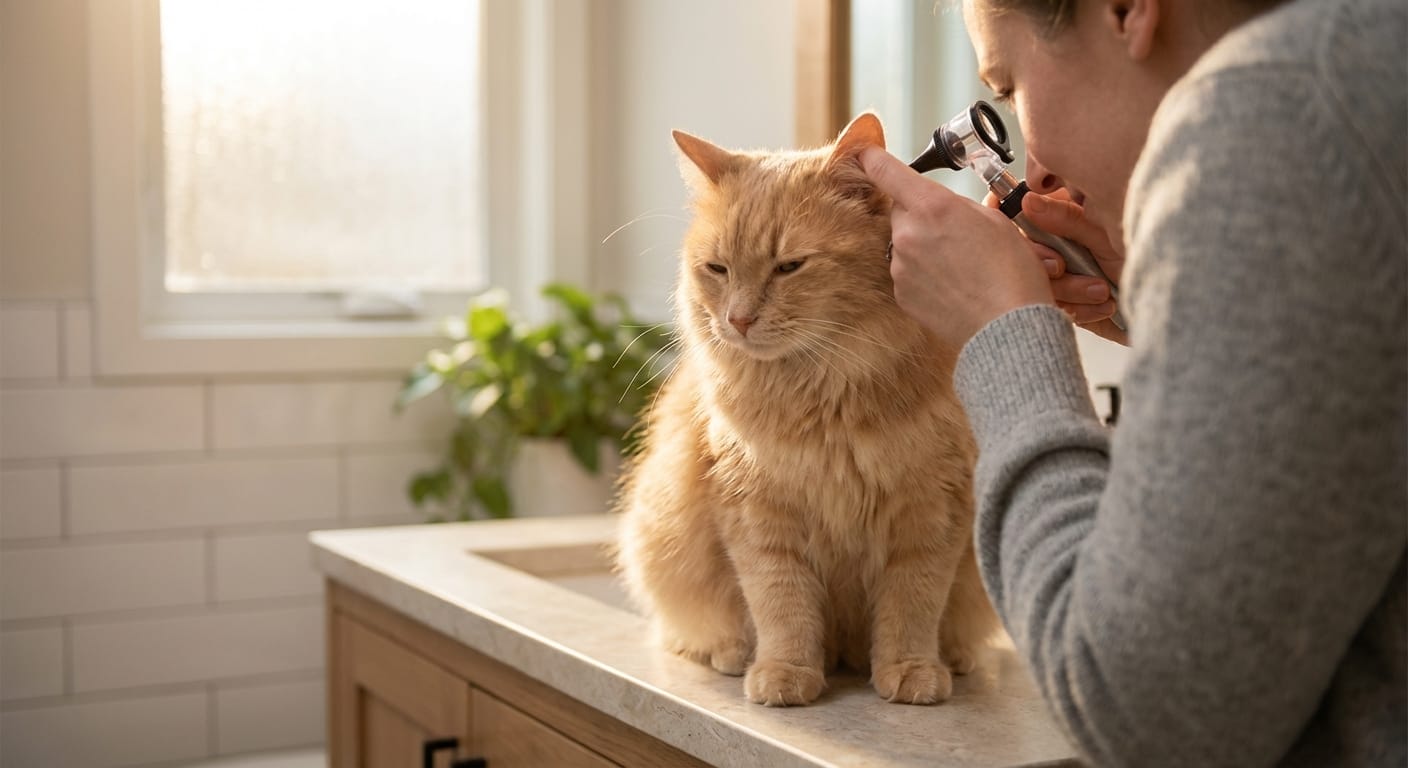
If vomiting continues or any concerning symptoms develop, contact your vet.
4. Prevent Future Episodes
- Use slow-feeder bowls for fast eaters
- Feed smaller, more frequent meals
- Brush your cat regularly to reduce hairballs
- Keep toxic plants and small objects out of reach
- Transition foods gradually
- Maintain regular vet checkups as part of your cat health routine
FAQs About Cat Vomiting
Is it normal for cats to throw up occasionally?
Yes. According to veterinarians, occasional vomiting (less than once a month) in an otherwise healthy cat with normal appetite, energy, and litter box habits is generally not concerning. Hairballs are a common culprit.
My cat threw up but is acting fine. Should I worry?
If it's an isolated incident and your cat is eating, drinking, and behaving normally, monitor them for 24 hours. One vomiting episode without other symptoms usually isn't an emergency.
How do I know if my cat has a blockage?
Warning signs include: repeated unproductive retching (trying to vomit but nothing comes up), complete loss of appetite, lethargy, constipation, and a tender or swollen abdomen. Blockages are emergencies—contact your vet immediately.
Can I give my cat anything for an upset stomach?
Plain canned pumpkin (not pie filling) can help with digestion—about a teaspoon mixed into food. However, never give human medications like Pepto-Bismol or Imodium without vet approval, as many are toxic to cats.
When should I take my cat to the emergency vet?
Seek emergency care for: blood in vomit, multiple vomiting episodes within hours, vomiting with diarrhea or lethargy, suspected poisoning, inability to keep water down, or any sudden change in an already sick cat.
The Bottom Line
Cat vomiting is one of those things that's usually nothing—until it isn't. Trust your instincts. You know your cat better than anyone, and if something feels off, it probably is.
For occasional vomiting with no other symptoms, home monitoring and supportive care are usually enough. But when vomiting becomes frequent, contains blood, or accompanies other symptoms, don't hesitate to call your vet.
After all, a quick checkup is always better than wishing you'd gone sooner.
Related Reading:
- The Ultimate Cat Health Checklist
- Cat Health & Wellness: Your Most-Asked Questions
- The Ultimate List of Toxic Plants for Cats
Sources:
- Cornell Feline Health Center - Vomiting
- VCA Animal Hospitals - Vomiting in Cats
- PetMD - Cat Vomiting: Causes and Types
- Texas A&M Veterinary Medicine
- ASPCA Animal Poison Control