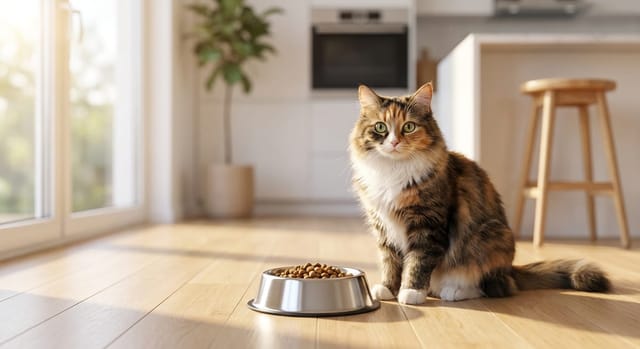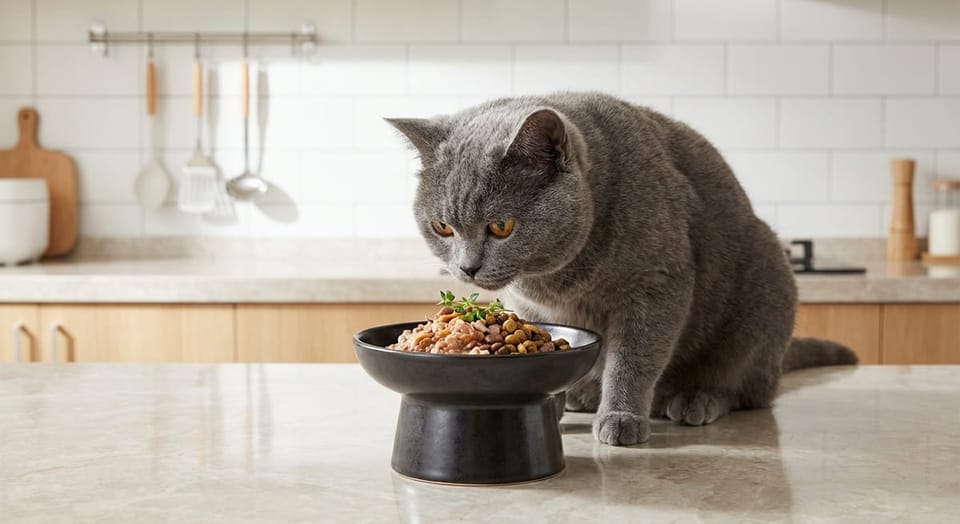
You’ve brought your British Shorthair home, and now it’s time to figure out what’s on the menu for your new feline friend. British Shorthairs may look like plush teddy bears, but their dietary needs are anything but soft and cuddly. A good diet is the foundation of their health, so let’s talk kibble, cans, and calories. And no, sharing your pizza is not an option.
Understanding British Shorthair Dietary Needs
British Shorthairs are stocky and muscular cats, not fat ones. (At least, that’s the goal!) Their dense build means they need a high-quality, protein-rich diet to maintain their figure and energy levels.
Key Nutritional Requirements:
| Nutrient | Why It Matters | What to Look For |
|---|---|---|
| Protein | Obligate carnivores need animal protein | Meat or fish as first ingredient |
| Fats | Shiny coat and healthy skin | Balanced omega fatty acids |
| Taurine | Heart and eye health | Included in most commercial foods |
| Carbs | Cats don't need them for energy | Keep minimal to prevent weight gain |
Wet Food vs. Dry Food: Pros and Cons
Every cat owner eventually faces the great debate, wet food or dry food? Both sides have a case to make:
| Type | Pros | Cons |
|---|---|---|
| Wet Food | High moisture for hydration and kidney health; very tasty | More expensive; doesn’t stay fresh once opened |
| Dry Food | Convenient, cost-effective; helps dental health | Lower moisture; not ideal for cats that don’t drink much |
The Compromise:
Many cat owners find that a mix of wet and dry food works best. You get the benefits of both, and your British Shorthair gets some variety. Even they don’t want the same meal every day.
Recommended Feeding Schedule by Age
Cats love routine, and British Shorthairs love it more than most. A general guideline by age:
| Life Stage | Age | Meals Per Day | Notes |
|---|---|---|---|
| Kittens | Up to 12 months | 3-4 small meals | Growing fast, need extra energy |
| Adults | 1-7 years | 2 meals | Morning and evening, set times |
| Seniors | 7+ years | 2 meals | Senior formula, easier to digest |
Avoiding Common Food-Related Issues
Obesity:
British Shorthairs are prone to packing on the pounds if overfed. They’re not the most athletic cats, so portion control matters. Use a measuring cup to avoid “accidental” overfeeding (we’re looking at you, sneaky snackers).
Picky Eating:
Some British Shorthairs develop diva-like preferences. Stick to a high-quality diet and avoid offering too many treats. Trust me, you don’t want to create a furry food critic.
Hydration:
Since British Shorthairs aren’t big on drinking water, wet food can help supplement their hydration. A water fountain might also encourage them to drink more, and it’s fun to watch them figure it out.
Final Thoughts
Feeding your British Shorthair isn’t rocket science, but it does require a little planning. A balanced, high-quality diet sets your cat up for a long, healthy, happy life. Just remember they’re not fluffy garbage disposals, no matter how convincingly they stare at your dinner plate. Stick to cat-appropriate foods and you’ll do just fine.
Stay tuned for our next post, where we’ll dive into the unique personality traits of British Shorthairs and how to bond with your new furry overlord. Spoiler: head-butts and lap time may be involved!
💡 Some links are affiliate links — the cat gets treats, you pay nothing extra.